

News
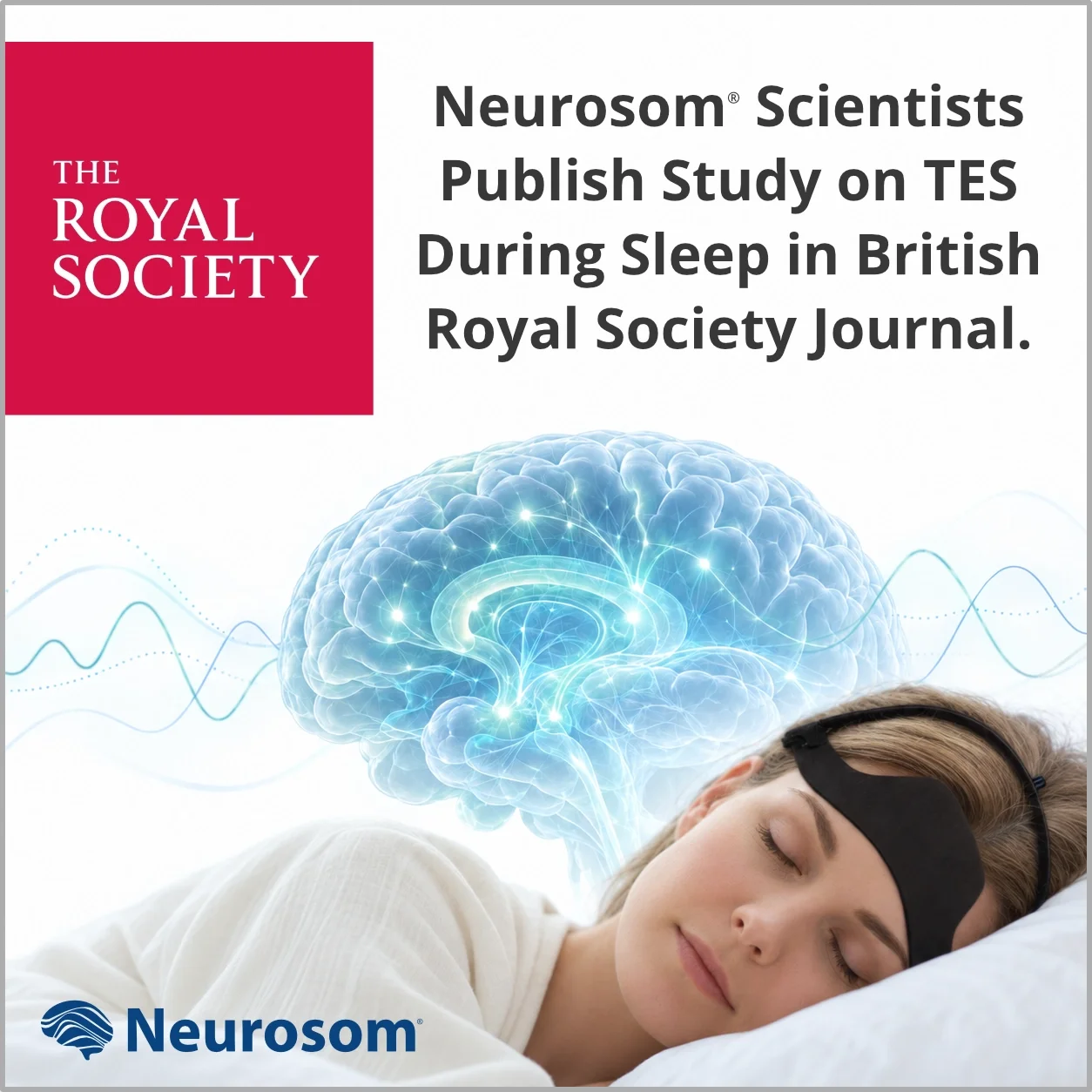
Neurosom Scientists Publish Study on TES During Sleep in the British Royal Society Journal
Neurosom is proud to announce that our Science team has published a study on using TES during sleep in the world’s oldest scientific journal, Philosophical Transactions of the Royal Society. The study, “At-Home Limbic-Targeted Transcranial Electrical Stimulation During Sleep: A Feasibility Study in Healthy Adults”, builds on the science team’s work measuring and optimizing sleep with the Sleep WISP device and the Neurosom Precision Brain Health Platform.
“Our work began a few years ago,” says Dr. Phan Luu, Chief Technology Officer, “during a grant project where we began to study sleep optimization and the origin of the slow-wave oscillations of sleep. We wondered if there was a subtle way to extend the time spent in the productive stages of sleep: deep sleep and REM.” The positive findings are now available in the latest edition of this historical journal.
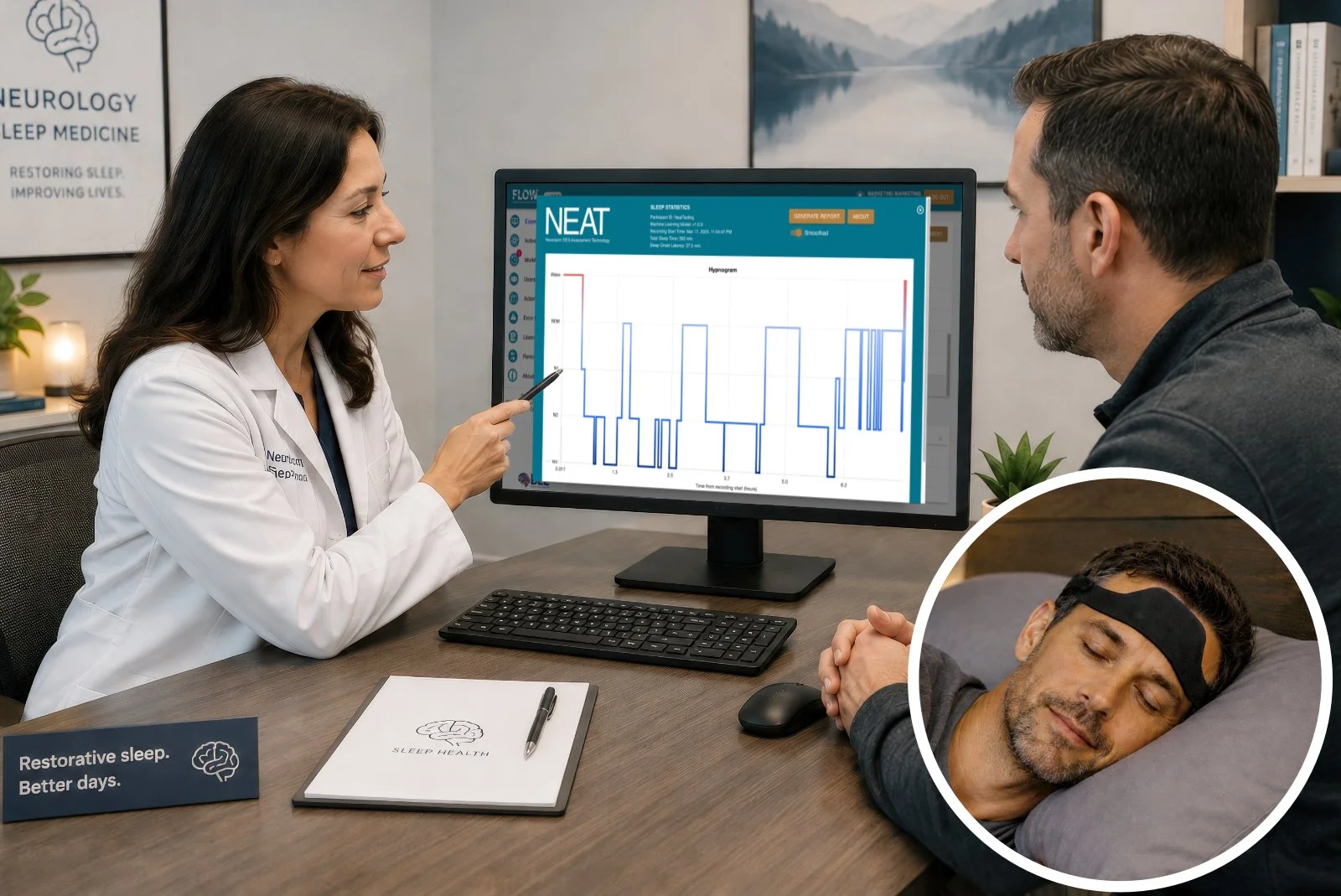
The Future of Brain Health Is Coming to Longevity Clinics
At Neurosom, our goal is to bring the EEG imaging and neurostimulation tools of the future into longevity clinics today. Sleep WISP™ miniaturizes key capabilities of an EEG sleep lab in a wearable system designed for overnight use at home. Its FDA-cleared, AI-powered NEAT software generates a complete hypnogram and detailed analysis of a patient’s sleep architecture. By combining objective EEG measurement with precisely timed neurostimulation, the Sleep WISP platform is designed to extend and optimize N3 deep sleep—supporting brain health, cognitive resilience, and healthier aging.
Neurosom secures second 2026 patent for technology to measure brain waste clearance
This method builds on its earlier patent, which combined advanced brain monitoring techniques to create detailed maps of brain activity.
This new patent is significant because it grants Neurosom exclusive rights to a unique method for measuring the brain’s ability to remove metabolic waste—a process crucial for brain health.
According to CEO Viral Sheth, “Being able to measure CSF flow in the brain could become as important for brain health as checking cholesterol is for heart health.” This measurement could help identify when treatment is needed before any symptoms or damage occur.
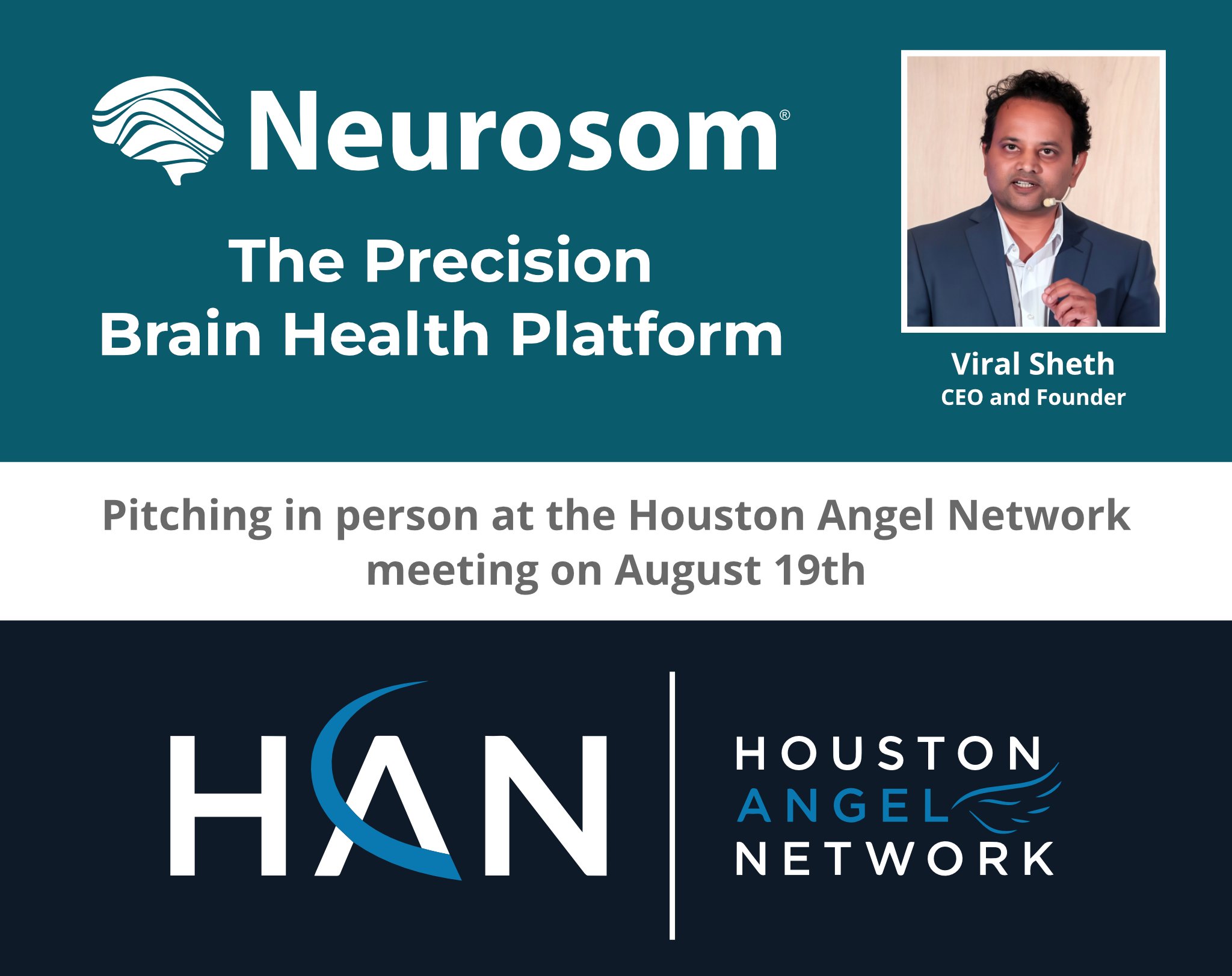
Neurosom is pleased to announce that our CEO, Viral Sheth, has been selected to present at the monthly pitch meeting of the Houston Angel Network
The Houston Angel Network (HAN) is a non-profit organization dedicated to developing the innovation ecosystem by supporting founders and startups with financial resources and mentorship. Neurosom is proud of the opportunity to present our vision for a Precision Brain Health Platform to this esteemed community.
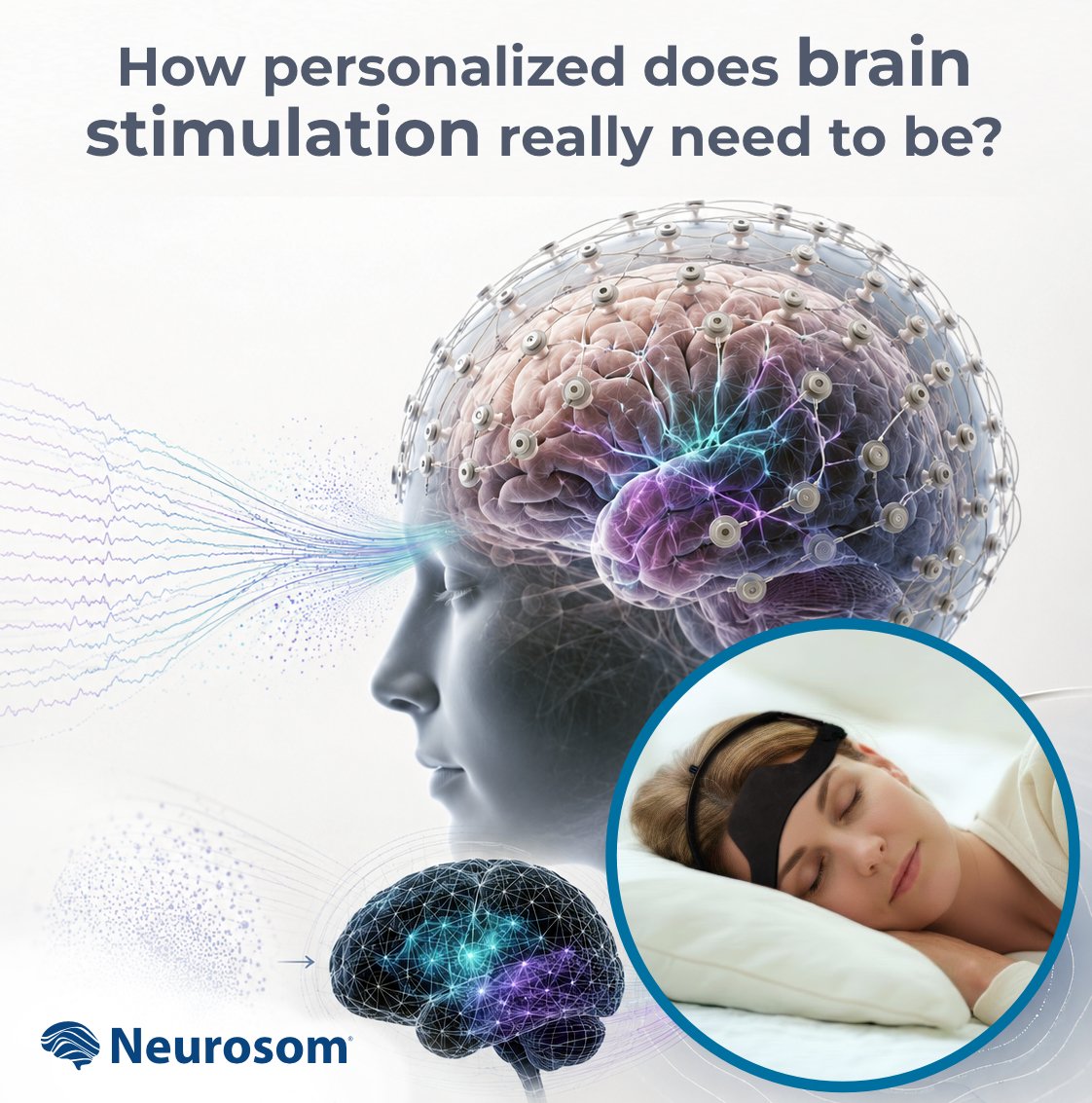
How personalized does brain stimulation really need to be?
Next week, Allison C. Waters, PhD, will help lead discussions at NYC Neuromodulation 2026 on one of the defining questions in our field: How personalized does brain stimulation really need to be?
Together with Dr. Waters and the Neurobehavioral Therapeutics Program at Mount Sinai, we’re beginning to test whether these individualized models are biologically accurate—and whether greater precision translates into improved sleep physiology and better clinical outcomes.
Patents protect ideas. Clinical science determines whether those ideas change patients’ lives.
We’re looking forward to the conversations at NYC Neuromodulation 2026—and even more to the data that follow.
Neurosom Announces Patent for Breakthrough in Personalized Neurophysiological Modeling
Neurosom® is proud to announce the issuance of a new patent for an innovative method that revolutionizes EEG source analysis and transcranial electrical stimulation (TES) guidance. The patented technology, titled “Method for Bayesian Super-Resolution of Electroencephalographic Source Analysis and Transcranial Electrical Stimulation” (US Pat. No. 12,663,866), combines cutting-edge Bayesian statistical modeling with personalized EEG data and established brain atlas models to achieve unprecedented “super-resolution” in pinpointing the origins of brain electrical activity.
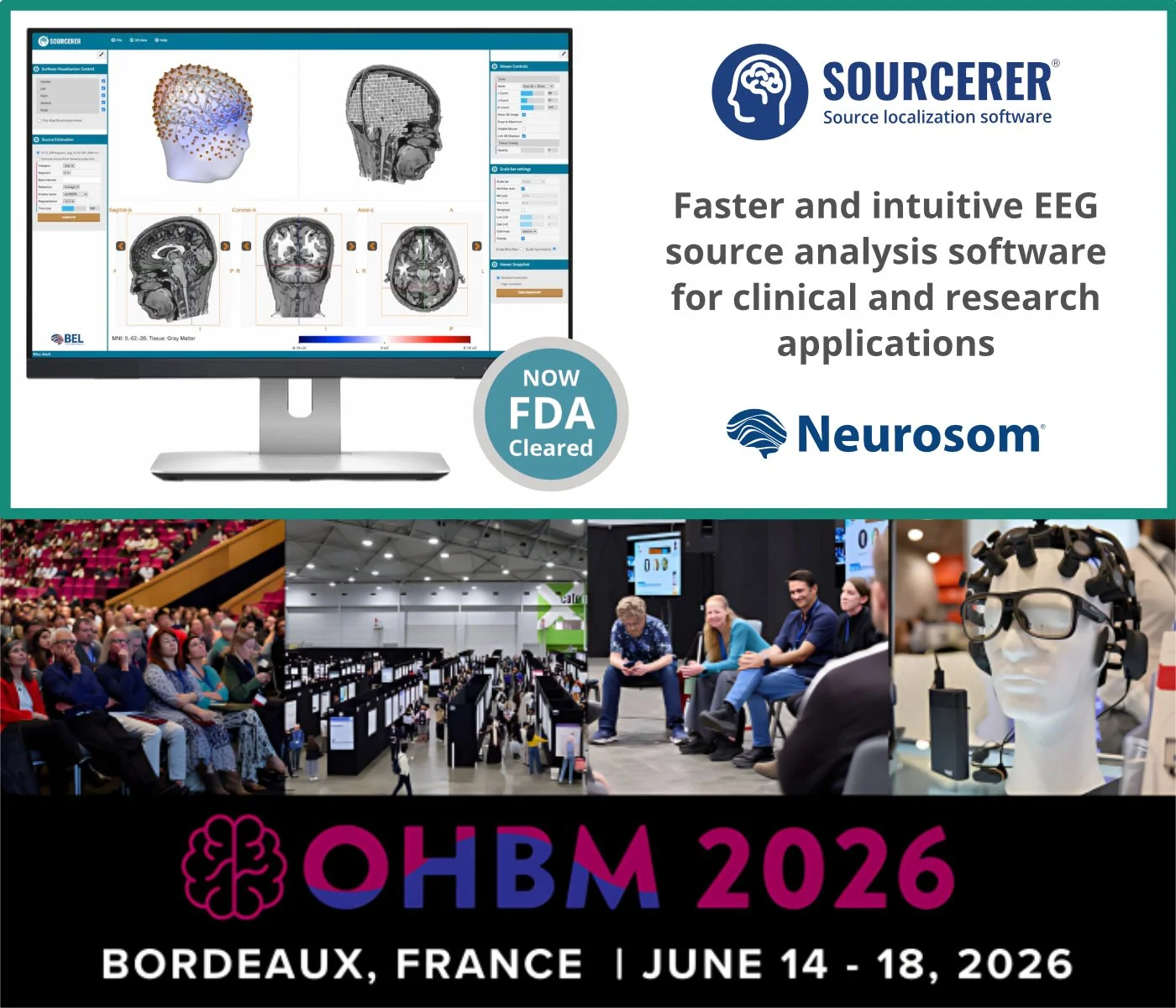
FDA-cleared SOURCERER source localization software for EEG analysis provides an in-depth visual examination of brain activity.
For those dedicated to a critical understanding of the brain's anatomical and electrical functions, FDA-cleared SOURCERER source localization software for EEG analysis provides an in-depth visual examination of brain activity. SOURCERER is intuitive and accessible, with high-resolution atlas models. SOURCERER is managed and optimized by FLOW, the first database and informatics platform for EEG and ERP workflows.
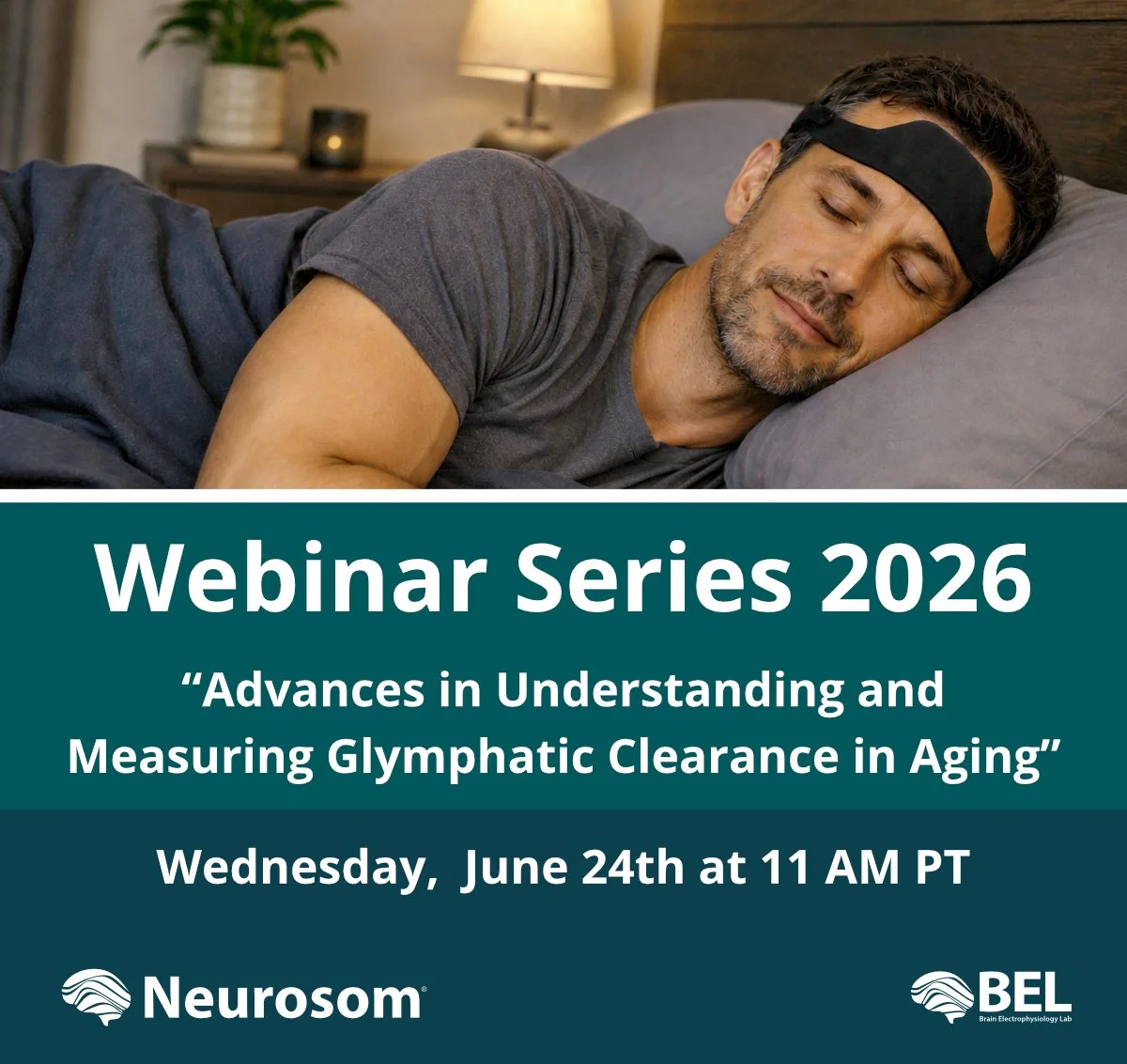
BEL is hosting the webinar “Advances in Understanding and Measuring Glymphatic Clearance in Aging” on June 24th at 11 AM PT
This event will showcase the latest research on glymphatic clearance and its relationship with aging.
Dr. Ruth Benca, a distinguished sleep researcher and Chair of the Department of Psychiatry and Human Behavior at Wake Forest School of Medicine, will introduce the topic by exploring how EEG activity evolves with age. Following her, Dr. Swati Levendovszky, Associate Professor of Radiology at the University of Kansas Medical Center and Director of the Hoglund Biomedical Imaging Center, will present recent MRI findings on cerebral fluid content and flow. Dr. Phan Luu, Neurosom’s Chief Technology Officer, will discuss brain impedance measurements using the WISP device and their potential implications for extracellular space and glymphatic clearance dynamics overnight. Dr. Don Tucker, Chief Science Officer, will moderate the event. The webinar will conclude with a live Q&A session, providing an opportunity to engage directly with the experts.
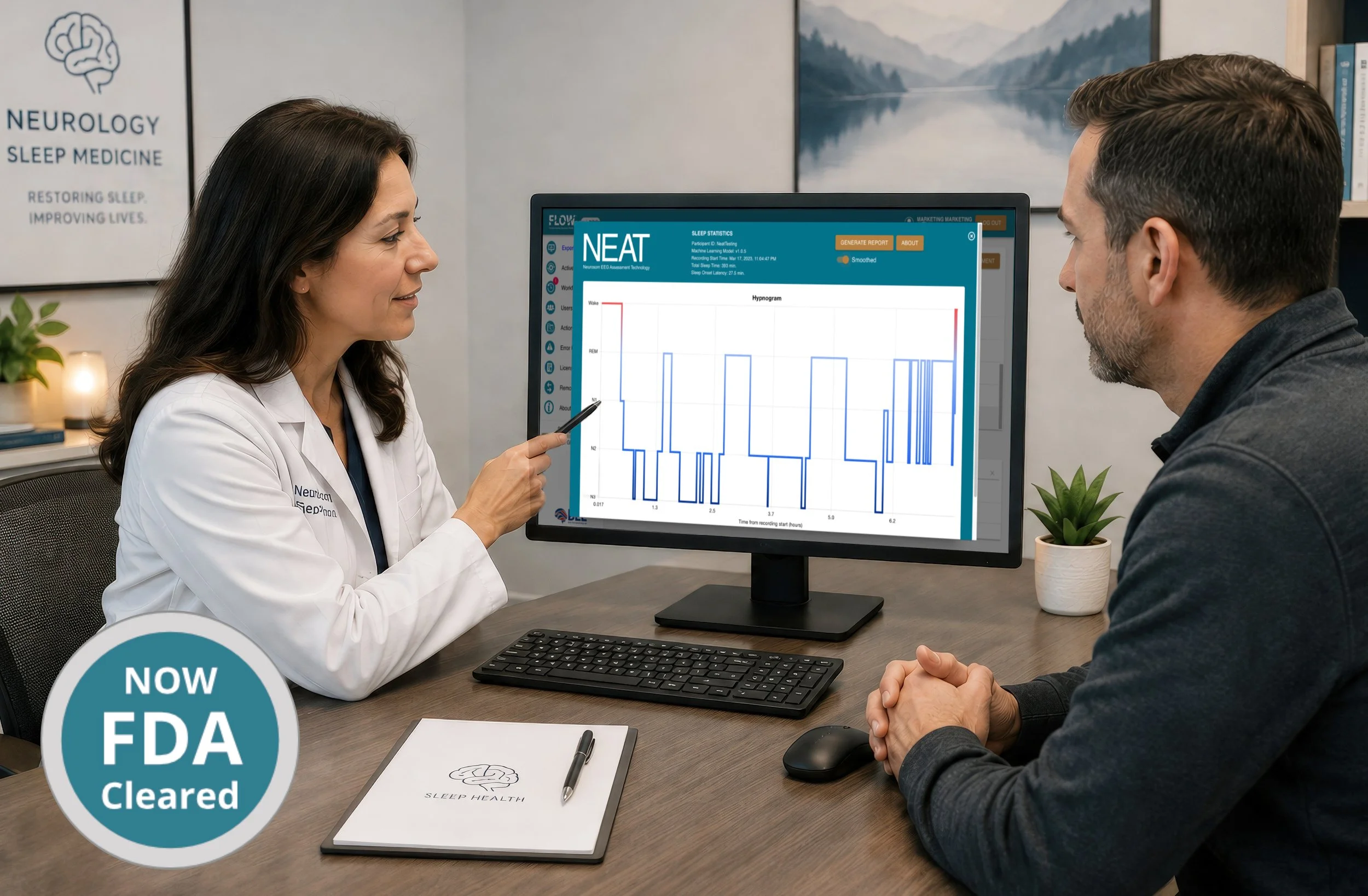
NEAT FDA-cleared, AI-powered sleep staging software is the cornerstone of the Neurosom product platform.
This gold-standard EEG sleep-scoring platform measures and monitors your sleep overnight, in your own bed, while powering personalized intervention with the Sleep WISP.
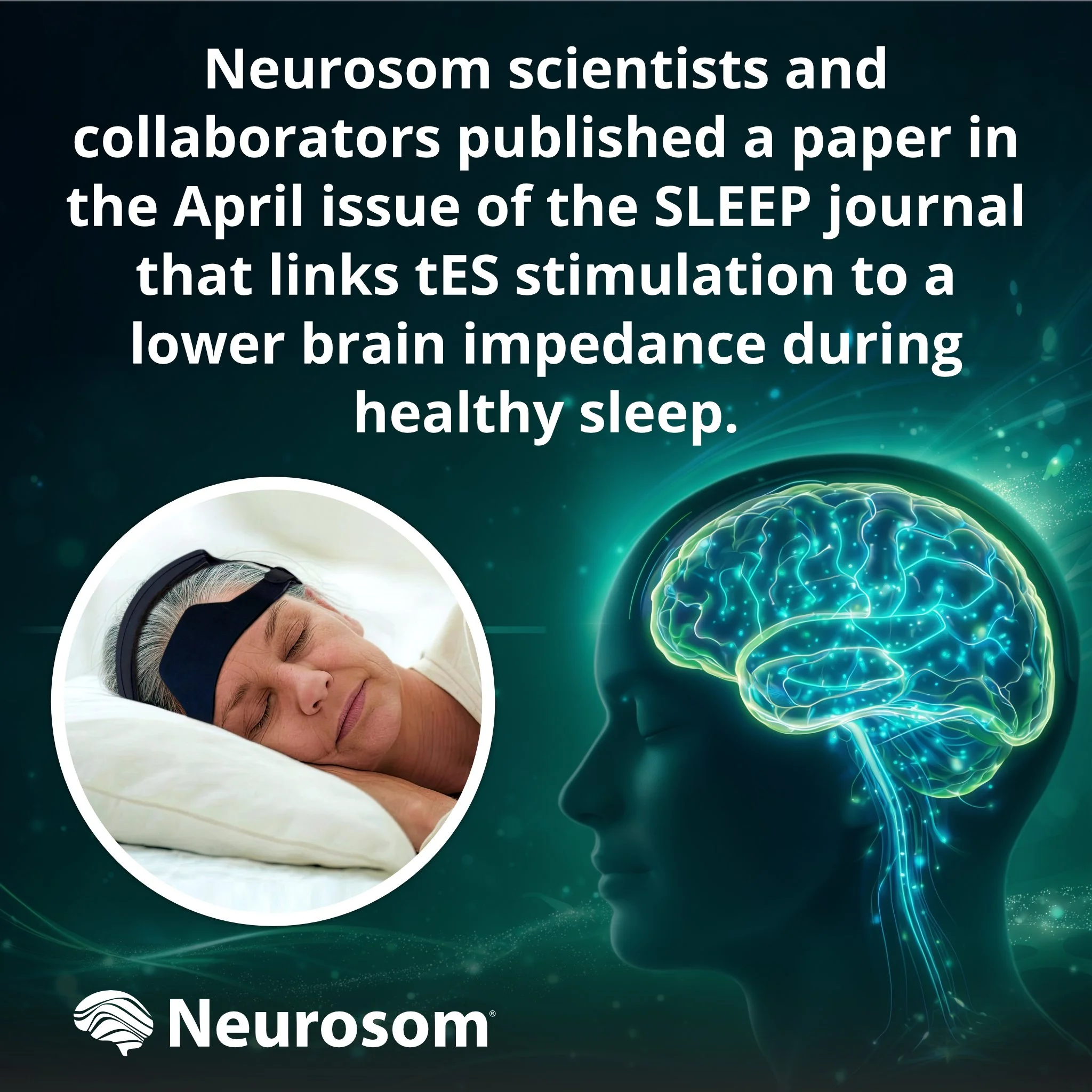
Neurosom scientists and collaborators published a paper in the April issue of the journal SLEEP that links tES stimulation to lower brain impedance during healthy sleep.
The implication is that a lower brain impedance may promote increased clearance of metabolic waste in the brain, known as glymphatic clearance, during sleep. The study, published by lead author Steven Schofner, is part of the growing evidence around the glymphatic system, the newly discovered fluid pathway in the brain that regulates glymphatic function and is responsible for clearing harmful plaques that are linked to neurodegenerative diseases. Neurosom's platform for Brain Health and Longevity is designed to characterize and optimize the brain's own waste clearance through improved sleep and a personalized program.
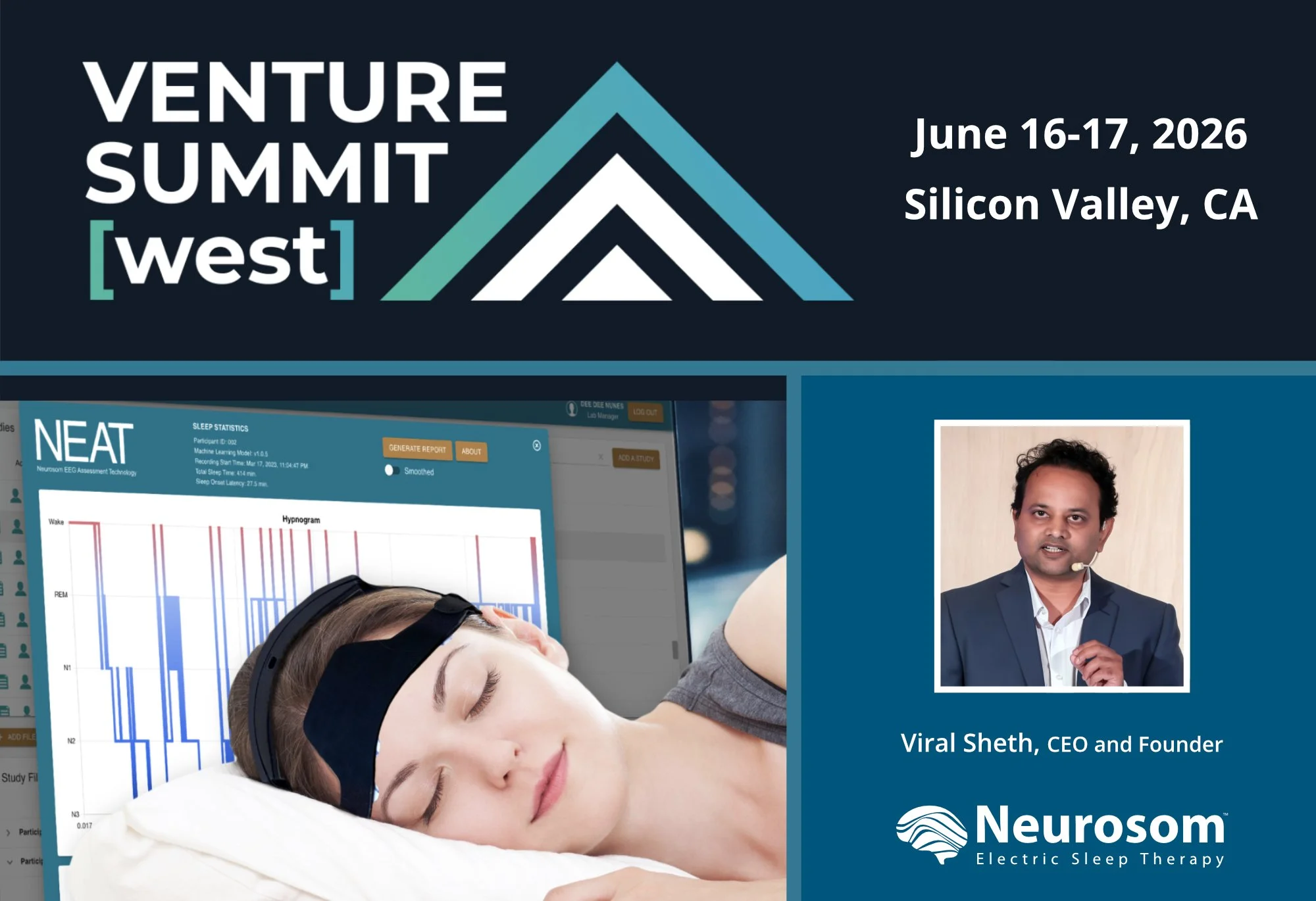
Neurosom will be presenting at the Summit West Investor Conference on June 16-17, in Silicon Valley, CA
Neurosom’s CEO, Viral Sheth, will showcase how our FDA-approved AI-powered software, NEAT, is revolutionizing advanced sleep diagnostics, aided by our Sleep WISP wearable headband. Our platform for Brain Health and Longevity includes deeper insights utilizing our high-density EEG System. By enabling personalized care and targeted dementia risk reduction, Neurosom is at the forefront of transforming sleep health. Stay tuned for insights on how we’re shaping the future of neurological wellness!
Next Wednesday, May 13th, at 5 pm in Big Pink - Neurosom CMO Corin Tucker speaks on "Building Here: Healthcare Innovation and Oregon's Next Chapter".
Join this free event for a wide-ranging conversation from Oregon Health Tech founders on what is - and is not working in Oregon's current ecosystem for Healthcare Startups.
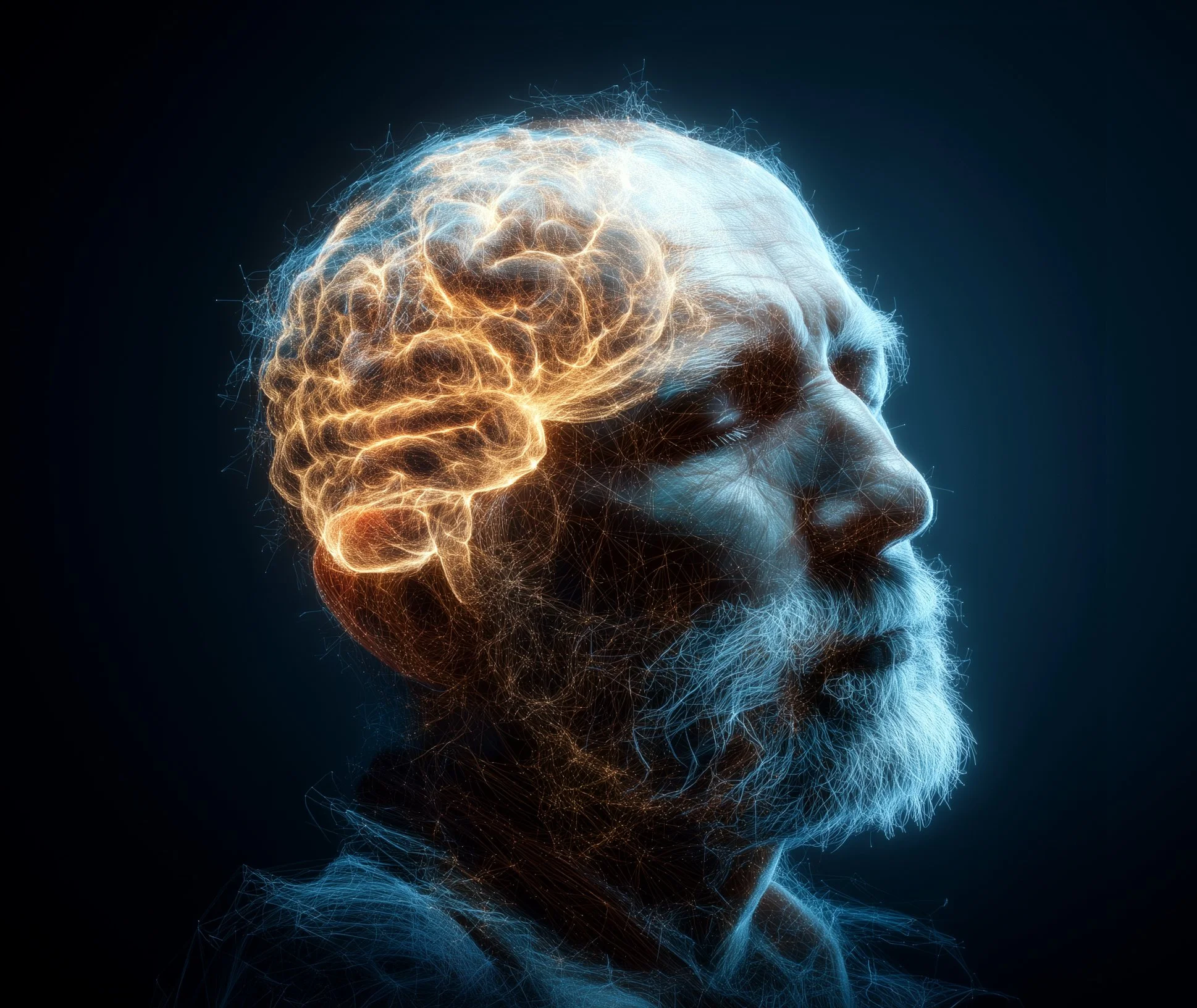
A recent study published in the journal Nature documented the correlation between a lack of slow-wave sleep in older adults and a rise in anxiety symptoms.
The study, 'Impaired slow-wave sleep accounts for brain aging-related increases in anxiety' (Simon et al., 2026), states that, "Greater impairment in nighttime SWA predicted higher next-day anxiety in older adults, both at baseline and at follow-up. Brain imaging revealed the mechanism: atrophy in key emotion-processing regions was associated with reduced capacity to generate robust slow waves needed for overnight anxiety regulation."This new evidence reinforces the importance of protecting and optimizing sleep as we age - the core mission behind the Neurosom Integrated Platform for Brain Health and Longevity. From our first in-clinic assessment to our at-home sleep monitoring with our Sleep WISP® device, we believe improving sleep is integral to cognitive and mental health as we age.
Neurosom’s CEO, Viral Sheth, has been invited to present at the Oregon Innovation Showcase on May 12th in Portland, OR.
We will share our newest milestones as we build and expand our Brain Health and Longevity Platform.
The Oregon Innovation Showcase is part of Portland Startup Week and brings together the best and the brightest from successful Oregon companies and emerging startups with deep tech investors from near and far. Learn about how Oregon's ecosystem for startups promotes growth in a fun and supportive atmosphere.
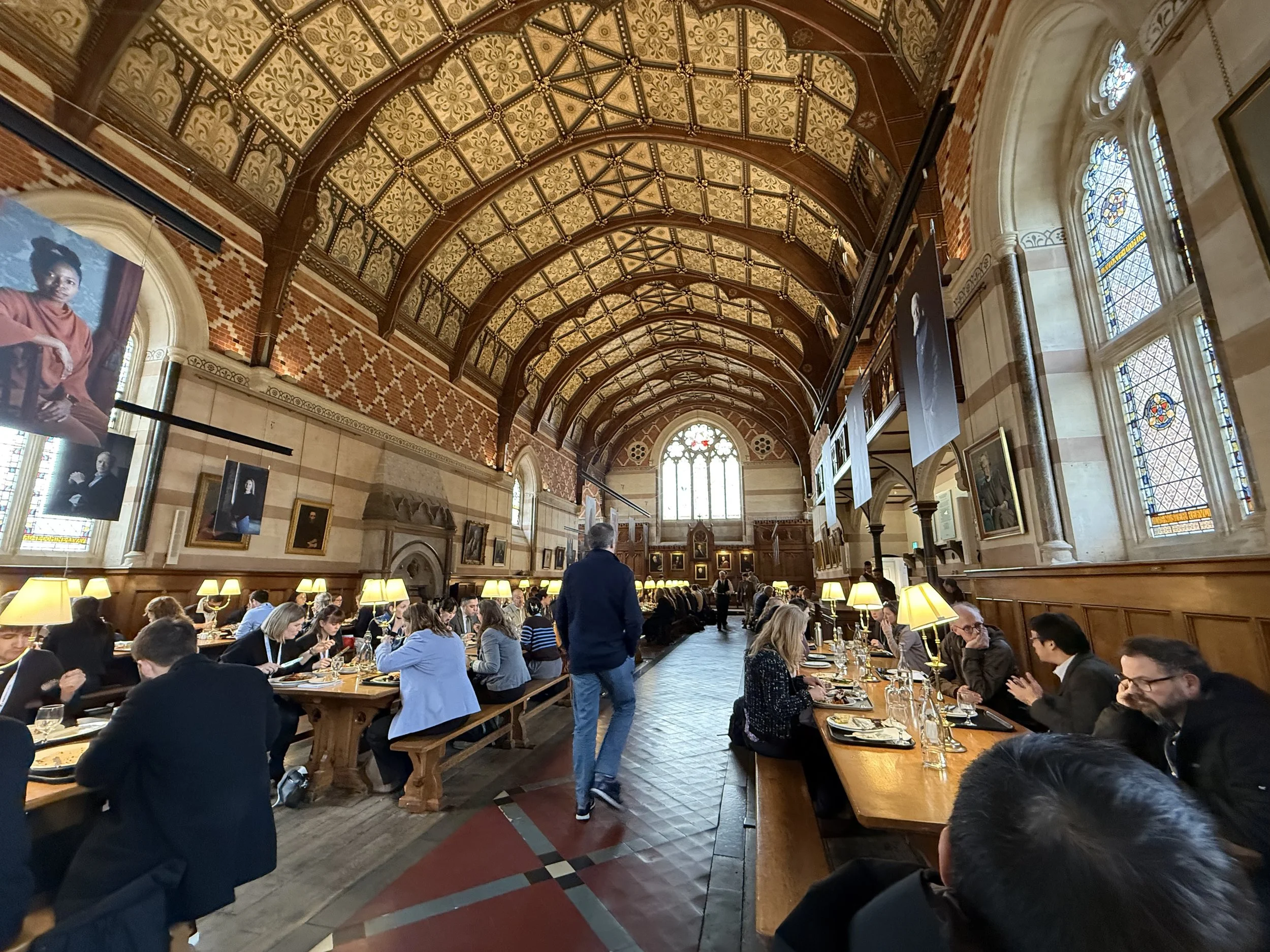
Oxford Glymphatic & Brain Clearance Symposium 2026 is taking place this week at Keble College, Oxford.
Neurosom scientists Don Tucker and Phan Luu are attending and presenting a poster, "tES-Synchronized N3 Sleep Decreases Skin-Corrected Brain Impedance: Toward Multimodal, Model-Based Glymphatic Biomarkers" (Schofner et al., 2026), SLEEP (accepted for publication).
Seated at the panel table is Dr. Maiken Nedergaard, M.D., D.M.Sc., widely regarded as the discoverer of the glymphatic system of the brain, or the pathway to waste clearance. Dr. Nedergaard's work is celebrated for uncovering the idea that the brain "washes" itself during sleep of metabolic waste that contributes to neurodegenerative diseases like Alzheimer's and other dementias.
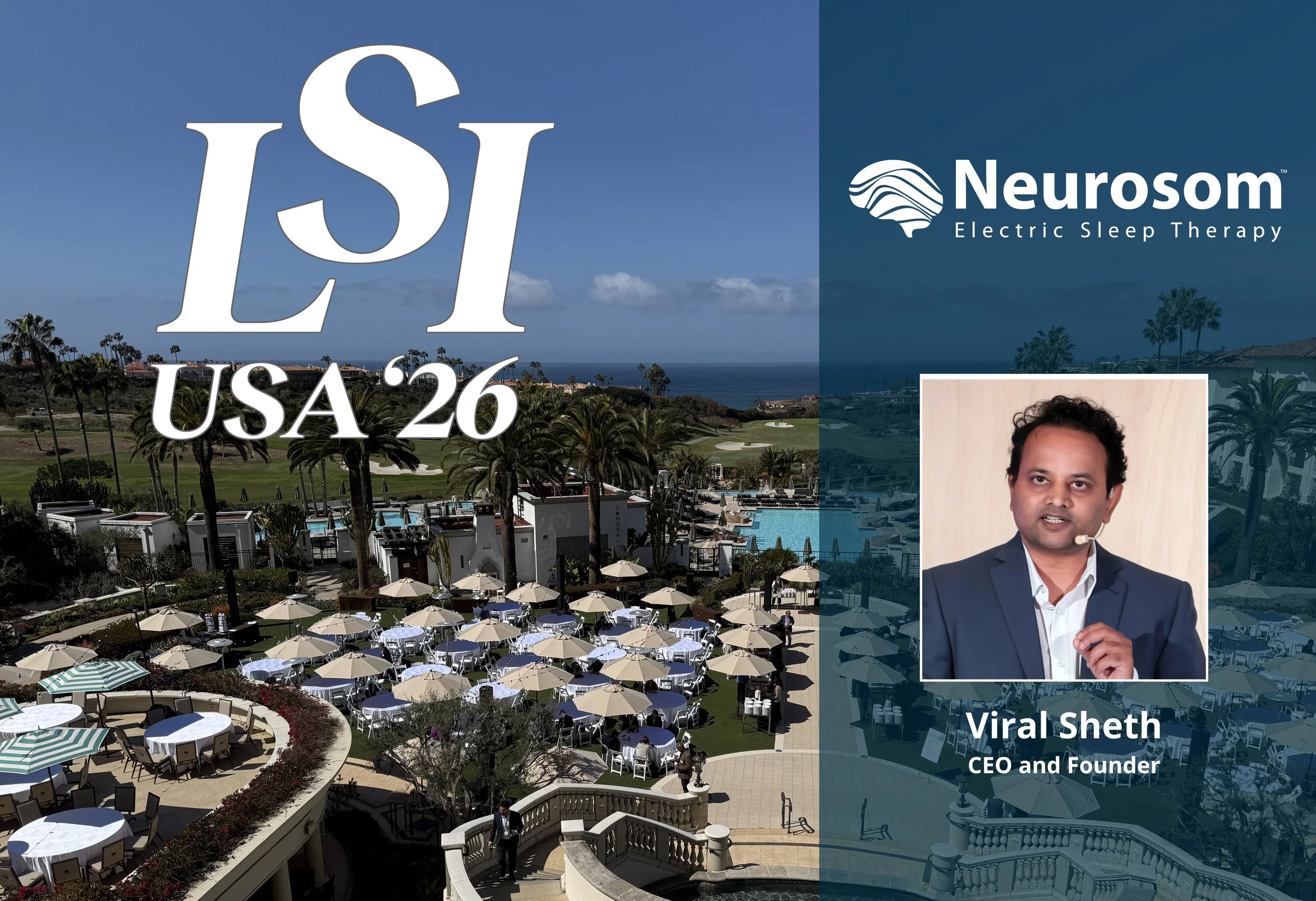
Great meetings for Neurosom’s CEO, Viral Sheth, so far at LSI ’26—meeting new faces and making important connections.
This year, Neurosom arrived at LSI with strong momentum, including: an oversubscribed bridge funding round as the company advances toward a seed round in the first half of 2026; patent allowance for Sleep WISP® to measure brain impedance in relation to extracellular space and to index metabolic waste clearance; a new publication accepted in SLEEP Journal titled “tES Synchronization of Slow Oscillations in N3 Sleep Decreases Brain Electrical Impedance: Implications for Improved Brain Waste Clearance”; recognition as the winner of the 2025 Oregon Entrepreneurs Network Angel Oregon Life & BioScience Award; and the launch of a second Parkinson’s disease study at Mount Sinai using the Sleep WISP.
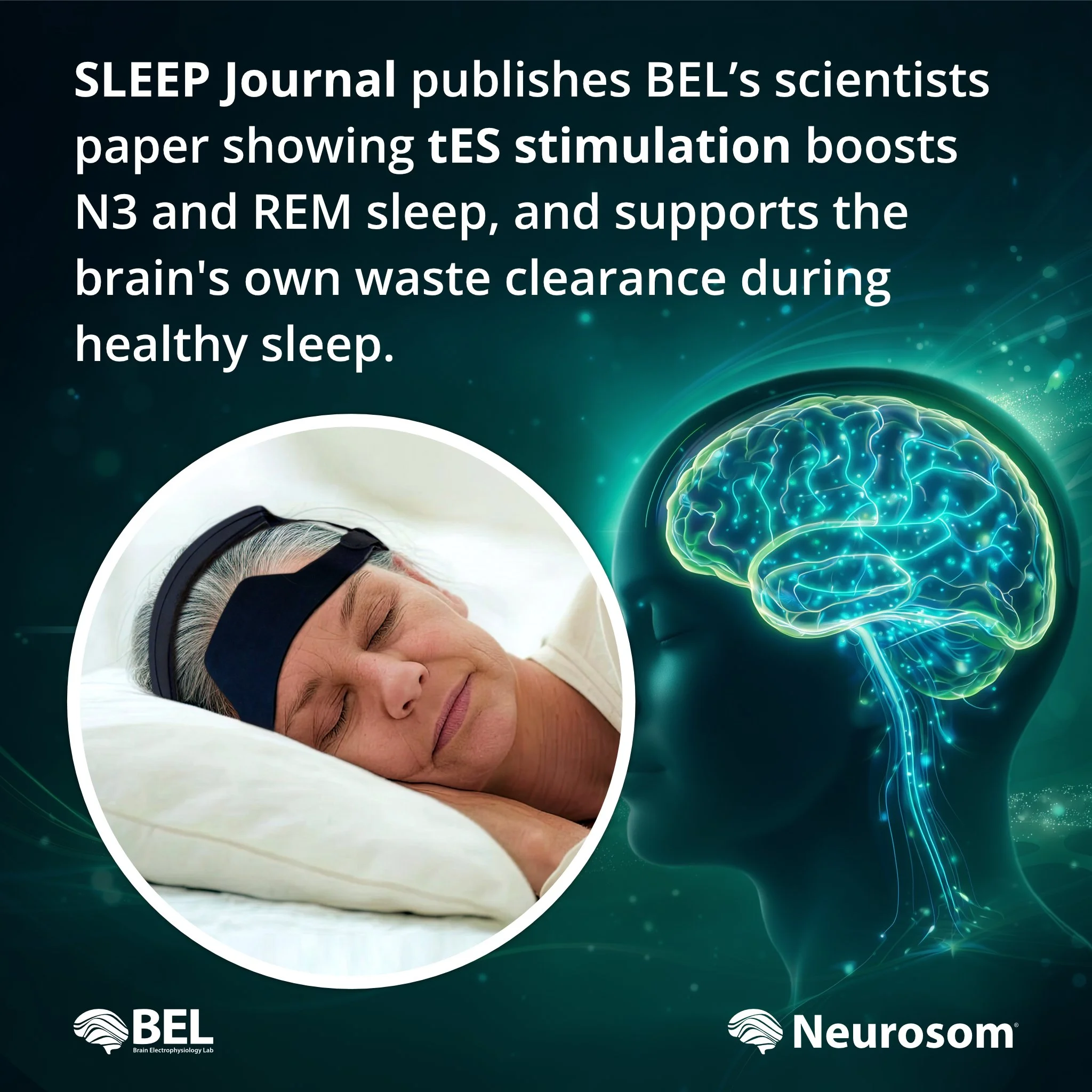
SLEEP Journal publishes a paper by BEL scientists showing that tES stimulation boosts N3 and REM sleep and supports the brain's own waste clearance during healthy sleep.
SLEEP, the Journal of the Sleep Research Society, accepted for publication on March 13, 2026, 'tES Synchronization of Slow Oscillations in N3 Sleep Decreases Brain Electrical Impedance: Implications for Improved Brain Waste Clearance', by Schofner et al. (2026)The publication abstract states, "Sleep appears to be a critical period for the brain’s removal of metabolic waste products through its lymph system, which involves both perivascular cerebrospinal fluid (CSF) flow, transport of CSF through the extracellular space of the parenchyma, and glial (aquaporin 4 end feet) transfer across the blood-brain barrier. The decline of waste removal with the decline of stage N3 sleep in aging may be relevant to the neurodegeneration leading to dementia. The present results suggest that tES strategically applied at key sleep stages, such as the N2-N3 transition, may not only enhance the duration of N3 and REM sleep, but may facilitate the transient ECS expansion driven by cardiac pulses and respiration that supports brain waste clearance in healthy sleep."The research analyzed in this publication was conducted using the Neurosom Sleep WISP®, a wearable EEG/tES sleep-therapy headband designed to increase time spent in deep sleep and improve cognitive health. The authors of this publication include Steven Shofner, Kyle Morgan, Phan Luu, Roma Shusterman, Alexei Doncov, Jeff Heys, Lori Ray, Dr. Miranda Lim, M.D., Ph.D. (OHSU), and Don Tucker.
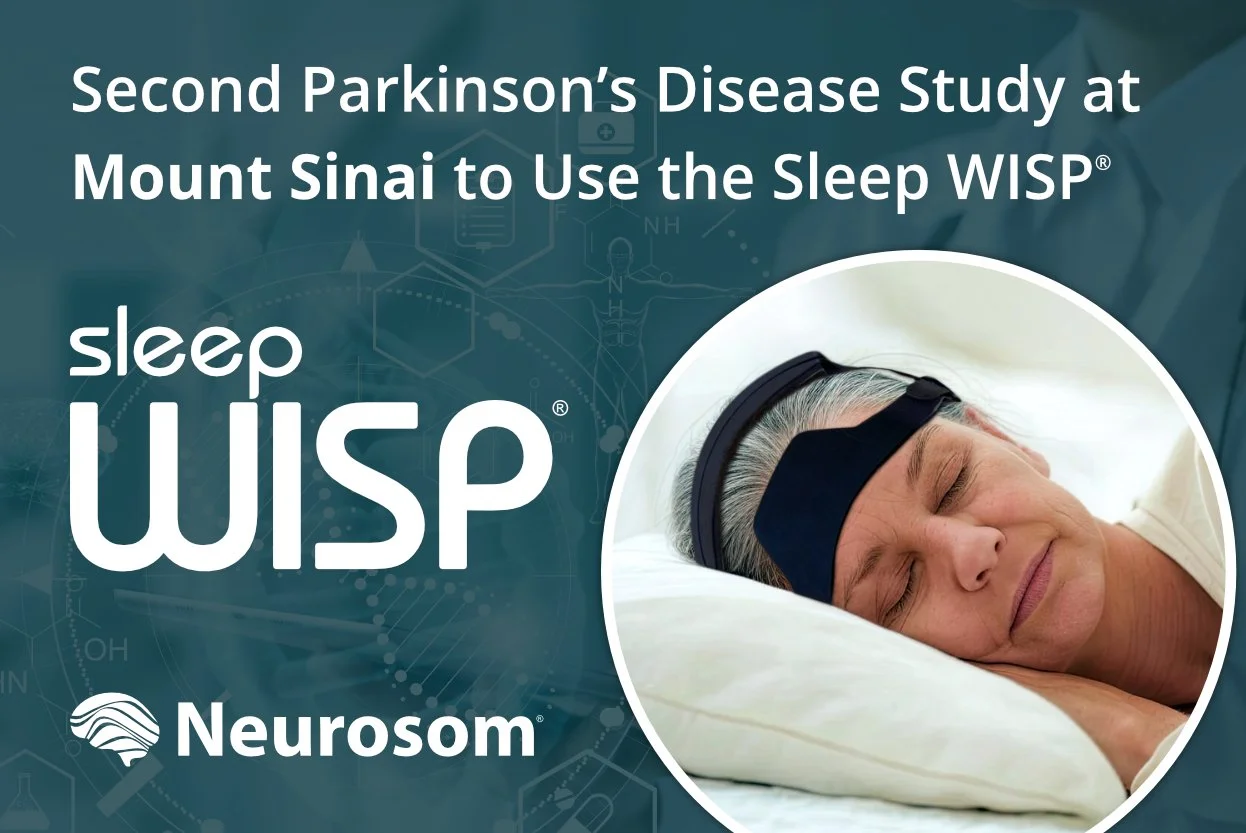
Second Parkinson’s Disease Study at Mount Sinai to Use the Sleep WISP.
Neurosom® is pleased to announce that a generous donor has funded a new Parkinson’s disease study at the Icahn School of Medicine at Mount Sinai to continue research using the Sleep WISP® therapy system. The study will be supported by the Glickenhaus Research Scholar Award and will be led by Dr. Allison C. Waters, PhD, Director of the Waters Lab within the Nash Family Center for Advanced Circuit Therapeutics and Medical Advisor to Neurosom, in collaboration with a multidisciplinary clinical team including Dr. Joohi Jimenez-Shahed, Dr. Emmanuel During, MD, and Dr. Rachel Fremont.
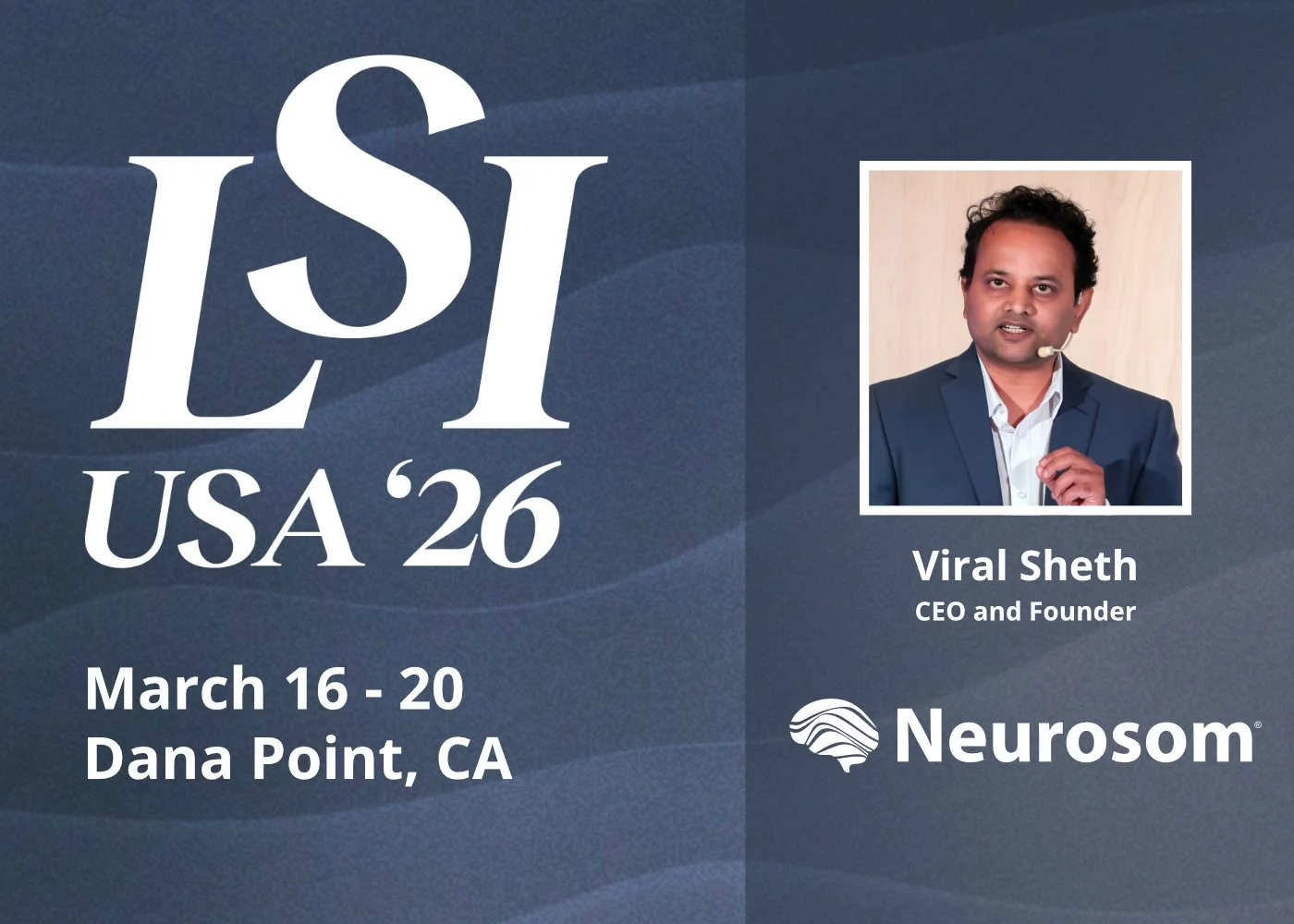
Neurosom's CEO and founder, Viral Sheth, is excited to present at LSI'26 USA next week.
- Neurosom's mission is to improve aging, brain health, and reduce the risk of dementia through noninvasive sleep therapy.
- The Sleep WISP headband uses AI to track EEG stages and apply personalized gentle stimulation to optimize deep sleep, comfortably used at home.
- The company won the Investment from the Angel Oregon Life and BioScience Award Program in December, recognizing its innovation and clinical potential.
- Neurosom led a successful oversubscribed bridge round shortly after the AOBIO award win.
- The company received FDA clearance in 2025 for NEAT AI-powered software, which accurately assesses the sleep stages and programs personalized therapy.
- The Sleep WISP has also received a patent allowance for measuring Glymphatic Clearance Capacity through skin-brain impedance measures, adding the ability to not only register the change in glymphatic waste clearance in the brain, but also to improve glymphatic flow through the stimulation of the Sleep WISP.
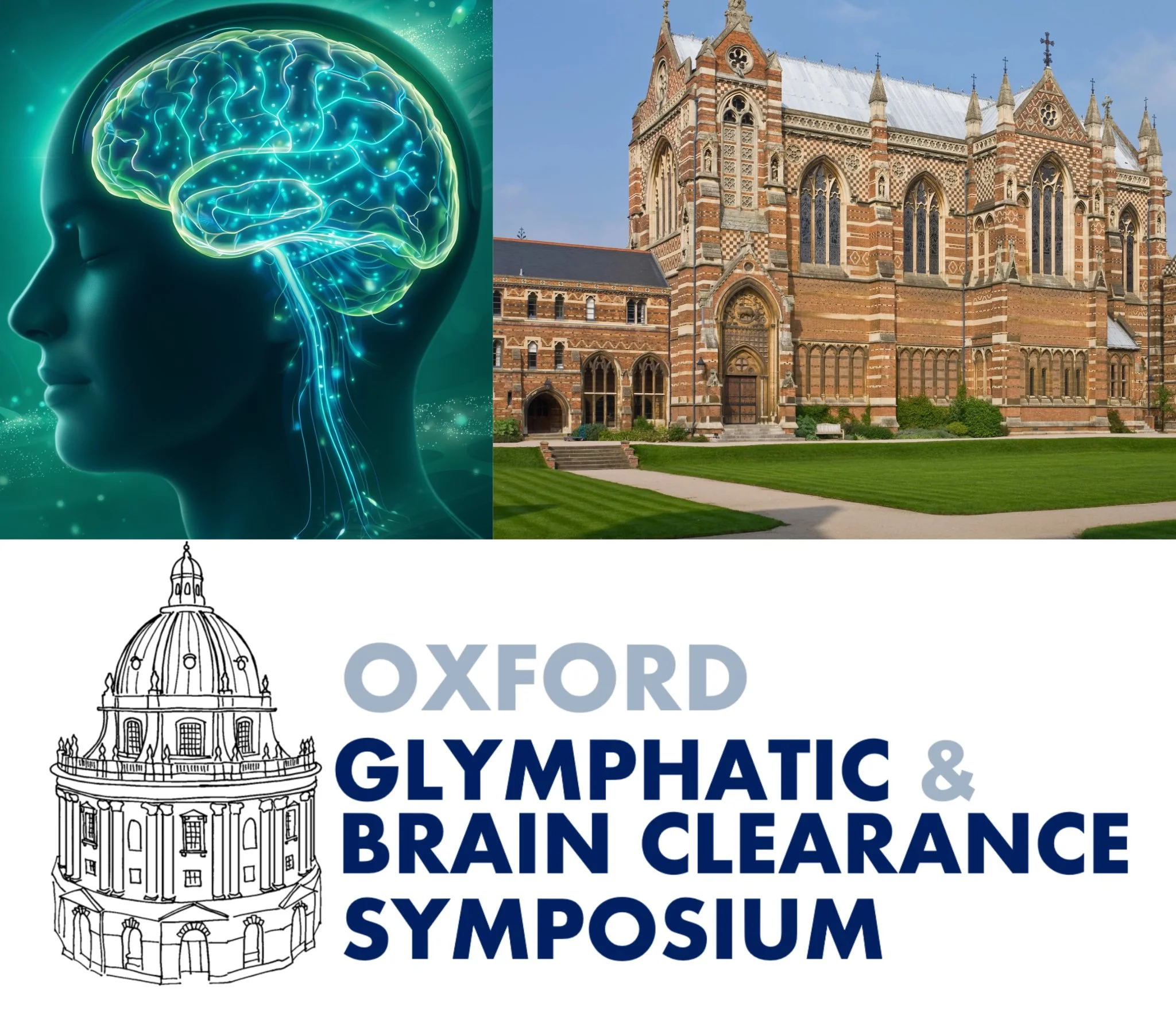
Neurosom is attending and sponsoring the Oxford Glymphatic & Brain Clearance Symposium, March 30 – April 1st.
Dr. Don Tucker, PhD, Chief Scientific Officer, and Dr. Phan Luu, Chief Technology Officer, of Neurosom® will attend the Oxford Glymphatic & Brain Clearance Symposium. Held at Oxford's prestigious Keble College, will bring together leading experts on metabolic waste clearance, including keynote speaker Dr. Maiken Nedergaard, D.MSc., considered to be the discoverer of the "glymphatic system." Program topics will include sleep-related physiology, pathways for CSF clearance, and valid measures of glymphatic function.